

Skip to main content

About this report

The DFSV Commission has identified two persistent areas where Australians continue to experience unacceptable levels of harm: the family law and justice systems, and sexual violence. Both require sustained national attention.

Alongside these two priority areas, the report includes six recommendations to strengthen the foundations of the National Plan and mature systems. These recommendations focus on intervening earlier, improving safety and recovery, strengthening accountability and building a clearer picture of whether investments and reforms are making a difference.

The DFSV Commission’s Yearly Report to Parliament 2026 is informed by the Lived Experience Advisory Council and extensive engagement across Australia, including consultations that heard from over a thousand individuals, services, researchers and advocates to help shape priorities for the next five years of the National Plan. The voices of people who have experienced domestic, family and sexual violence remain essential to improving systems and delivering meaningful reform for everyone. 

The DFSV Commission's Monitoring and Reporting Framework also shaped the report's findings that while governments have laid important foundations through increased investment, stronger services and national coordination, these efforts are not yet delivering change with the impact or pace needed to address domestic, family and sexual violence.

Light Bulb Icon

Recommendations

The report identifies two persistent areas of harm, as well as six priorities for strengthening and maturing Australia's national response to domestic, family and sexual violence.  

Six characteristics of a mature system 
  1. Strengthen whole-of-government capability to identify and manage domestic, family and sexual violence risks across policy, investment and service delivery. 
  2. Co-design policies and services with and for people who experience the greatest barriers to safety. 
  3. Target new investment towards early intervention. 
  4. Invest strategically in the conditions that enable people to achieve safety and recover from domestic, family and sexual violence. 
  5. Establish a National Evidence Collaboration to provide coordinated advice regarding research, evaluation, data, emerging issues and national evidence priorities. 
  6. Strengthen monitoring, accountability and continuous improvement across the National Plan.
Persistent system issues requiring sustained national attention 
  1. Build on existing justice and family law reforms to strengthen safety, accountability and recovery for individuals and families experiencing family, domestic and sexual violence. Ensure children’s experiences, safety concerns and views are recognised and supported.
  2. Sexual violence must receive distinct and resourced priority within the National Plan. 


Read the Report

Easy Read version 

If you are using assistive technology, we recommend using Adobe Acrobat to read the document, rather than your web browser’s built-in PDF viewer.

Vibrant First Nations artwork titled, “Holding the torch – together”, by Rachael Sarra. The background features shades of blue representing time and place, with a central feature of an orange and a pink circle representing community. Additional surrounding shapes represent people, healing and change.

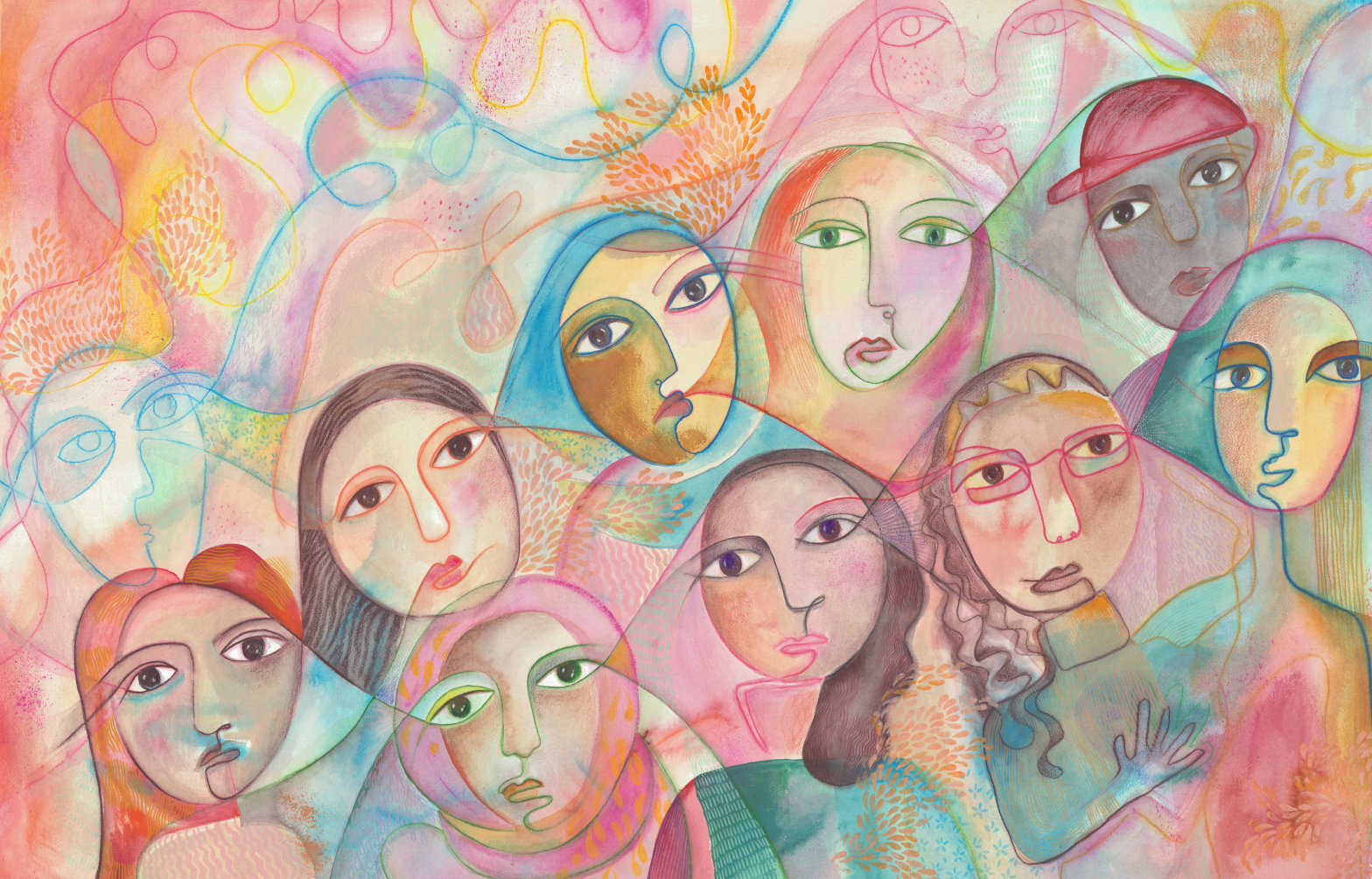
‘Seen and heard’ – Amani Haydar

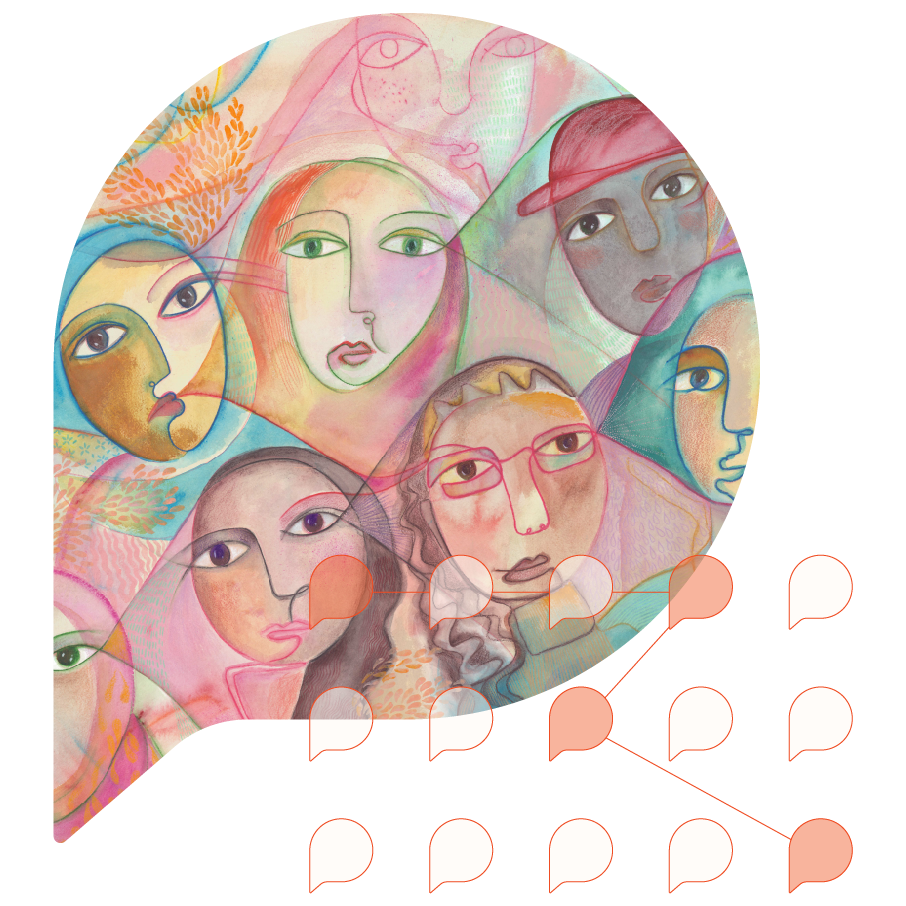
The Yearly Report 2026 features an artwork from a member of the DFSV Commission’s Lived Experience Advisory Council – author, visual artist and advocate for women’s health and safety, Amani Haydar.

Artist statement

“This artwork is dedicated to members of the Domestic, Family and Sexual Violence Commission’s National Lived Experience Advisory Council and all lived experience advocates who work to elevate the voices and perspectives of victim-survivors of domestic, family and sexual violence. This artwork started off as a series of interconnected line drawings representing the threads of experience victim-survivors weave together when they share their stories. I then built up the colours and patterns to capture the energy we exchange when we work together as true allies who are prepared to disrupt systems and make them better for the most vulnerable members of our communities. Advocacy work takes a toll on victim-survivors but allows society and policymakers to better understand the issues people face after they have been harmed and when navigating inflexible or even punitive processes. The solidarities we build allow people to feel seen and heard and there is great power and validation in that.”

Learn about the Lived Experience Advisory Council

More DFSV Commission reports

The Domestic, Family and Sexual Violence Commission publishes Yearly Reports to Parliament, engagement reports, snapshots, submissions and more.

View more publications

Hear from the DFSV Commission

Join our database for newsletter updates on the DFSV Commission’s work, relevant sector news and opportunities.

Subscribe now